

A beautiful slab starts with a flat, stable surface. At Cottage by the Sea Woodwork in Asbury Park, we provide professional slab flattening for homeowners, woodworkers, furniture makers, and businesses looking to turn rough wood into something usable. Whether the slab is cupped, twisted, bowed, or uneven from end to end, we flatten it with care so it is ready for its next stage.
Slab flattening is one of the most important steps in custom woodworking. Even a beautiful live edge slab can be difficult to use if the surface is not flat. High spots, dips, twist, and warping can create problems during joinery, finishing, installation, and everyday use.
A properly flattened slab gives you a stable starting point. It helps tables sit right, countertops install cleanly, and finished pieces feel solid and intentional.
At Cottage by the Sea, we flatten slabs for clients throughout Asbury Park, Monmouth County, and nearby Ocean County who want their wood prepared the right way before the build begins.
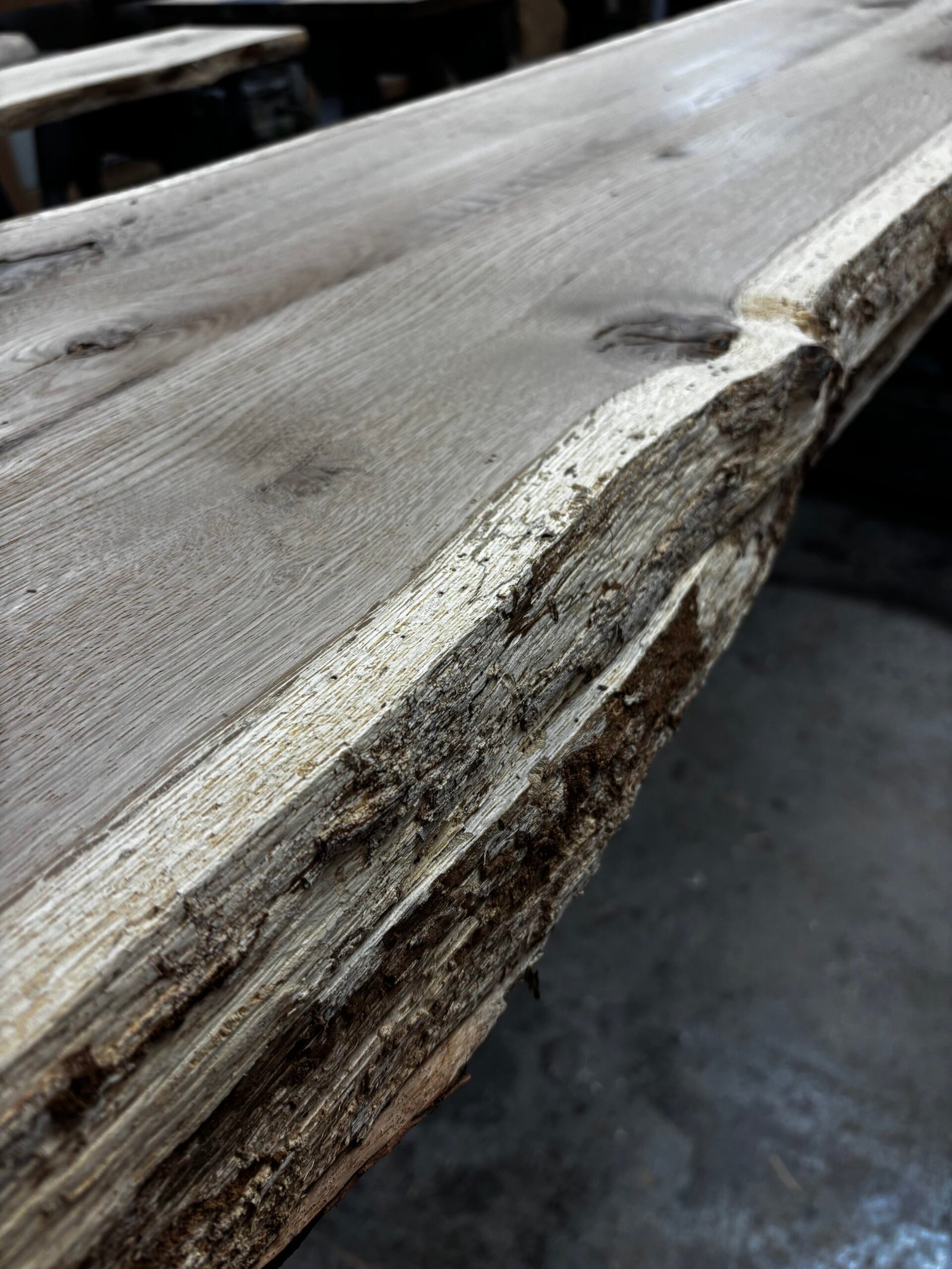
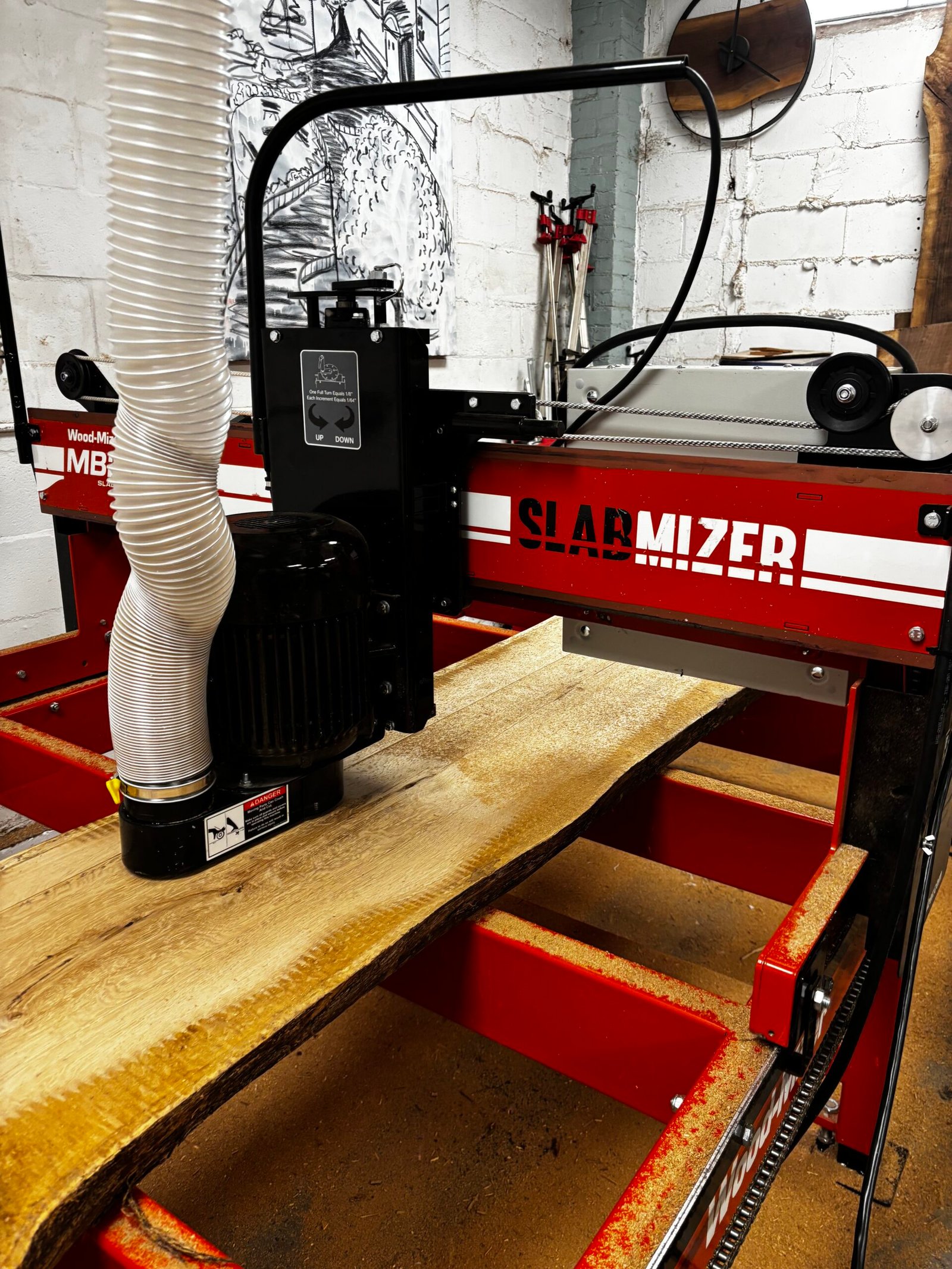
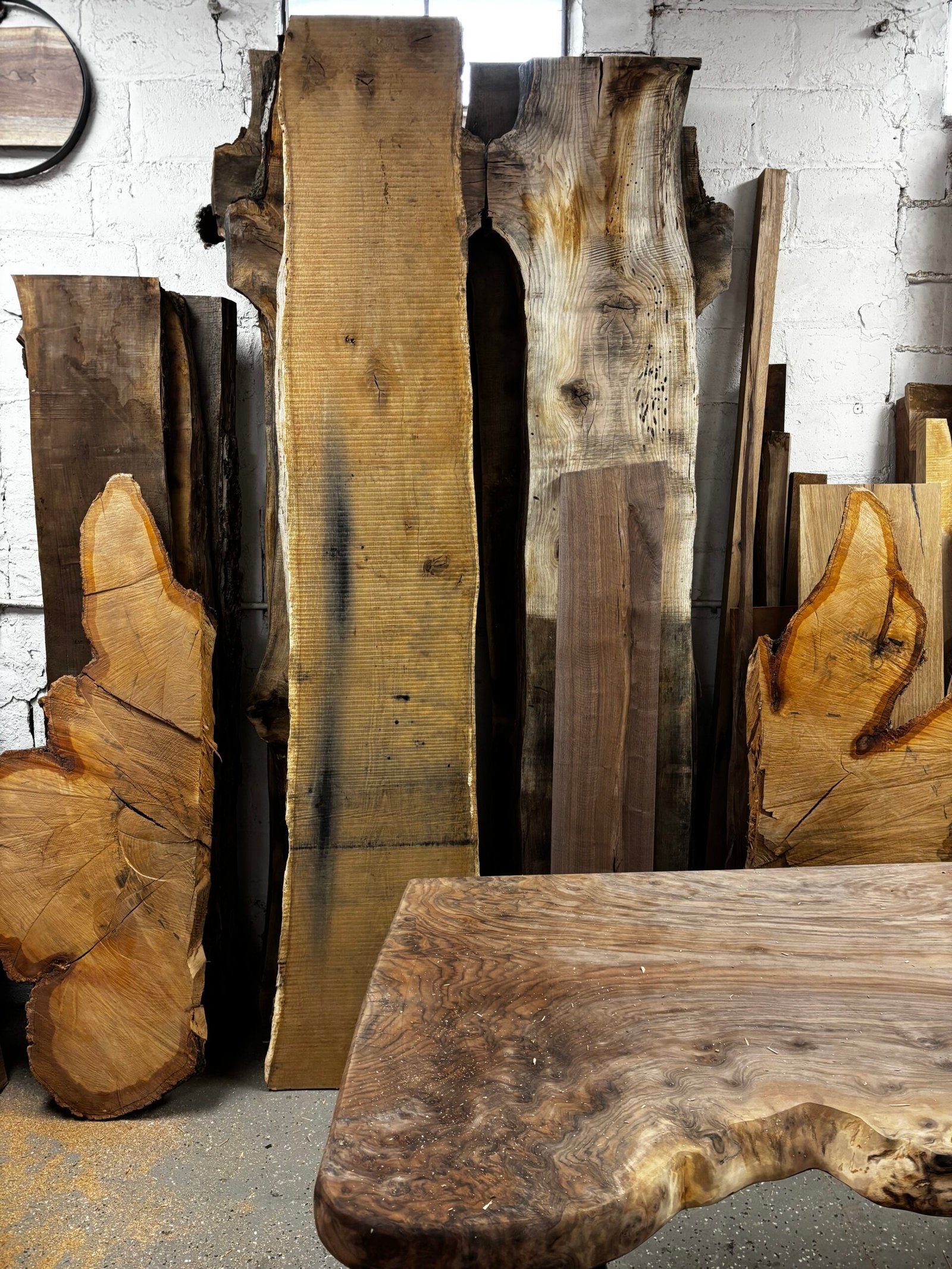
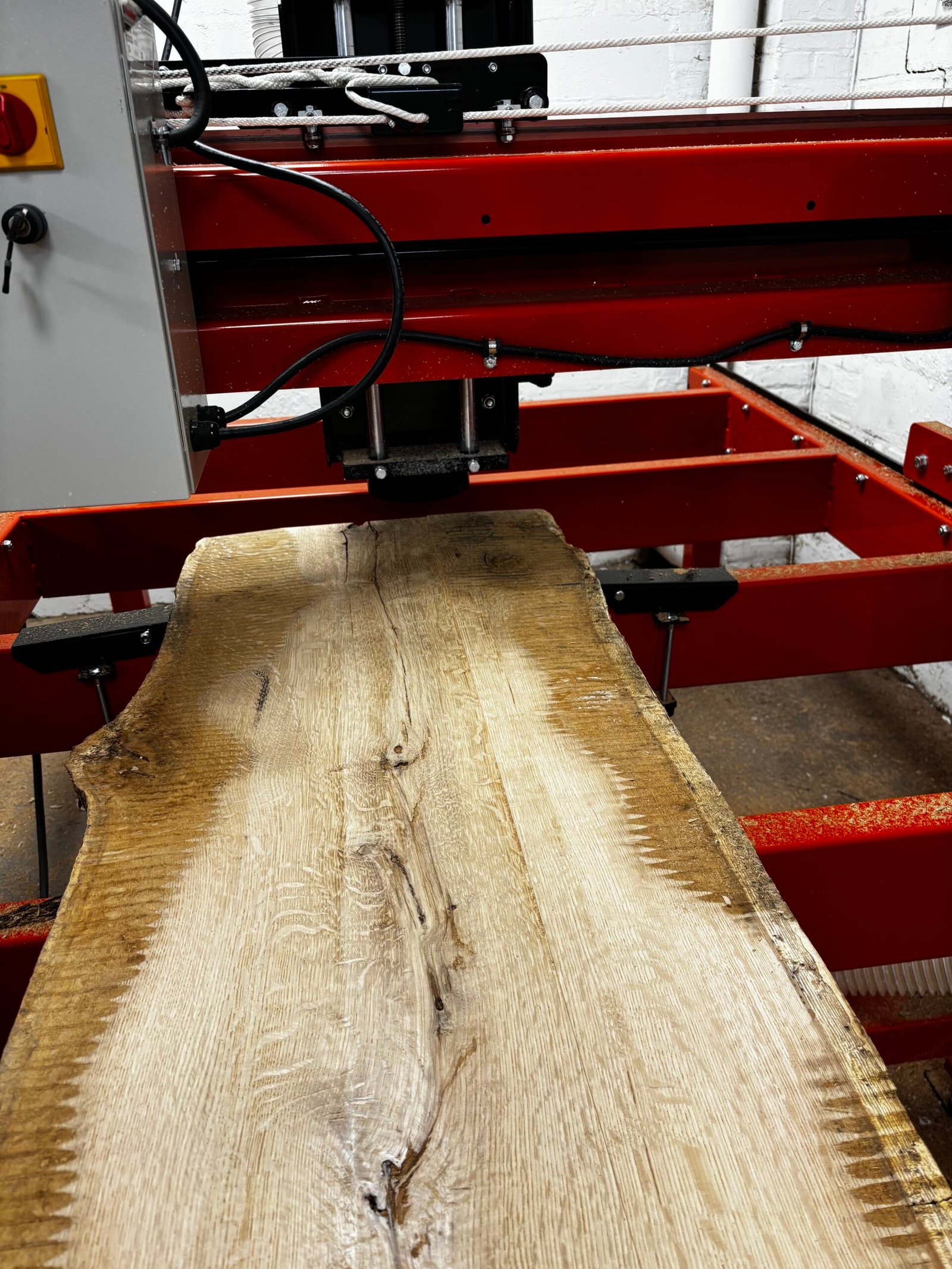
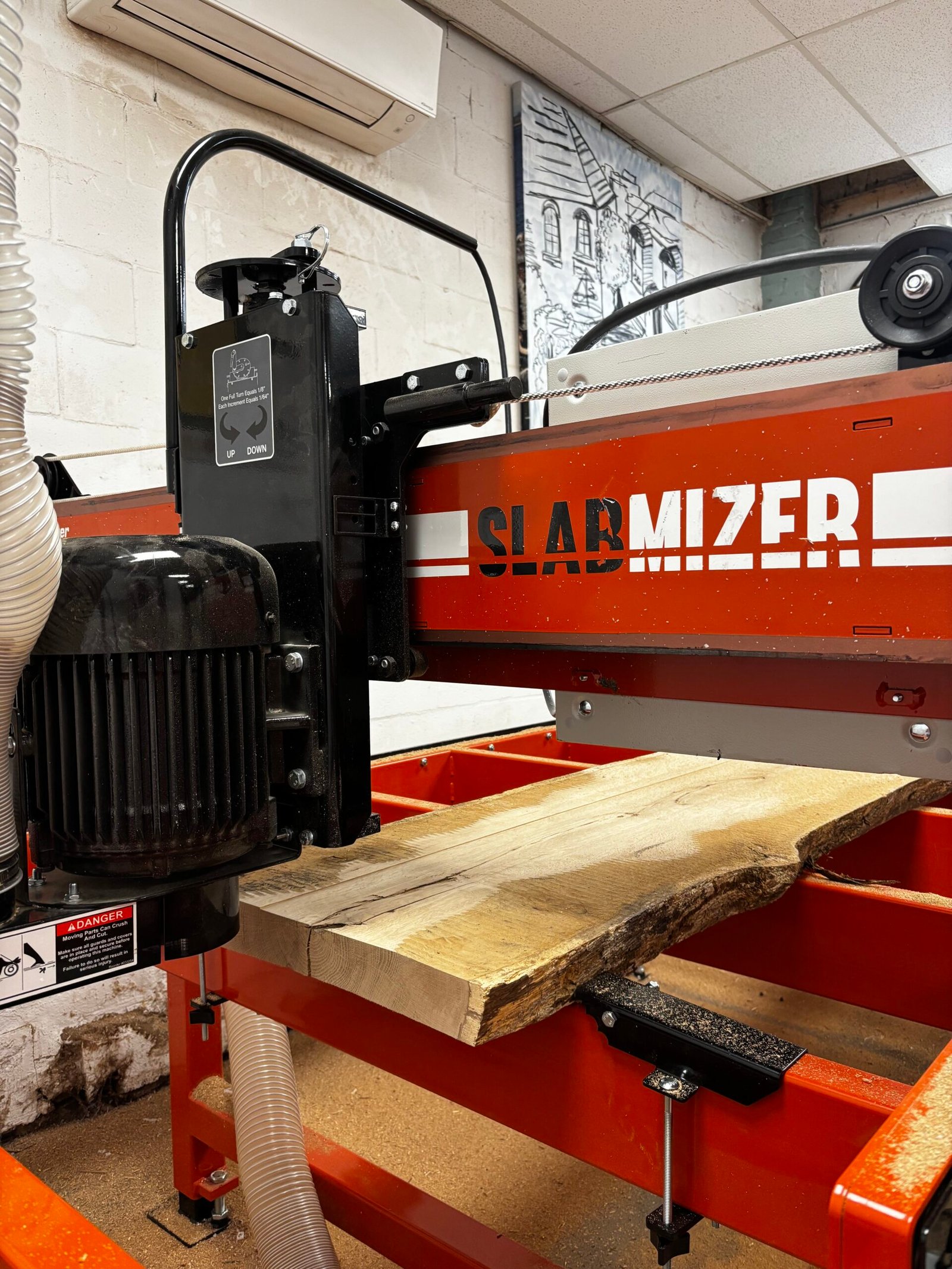
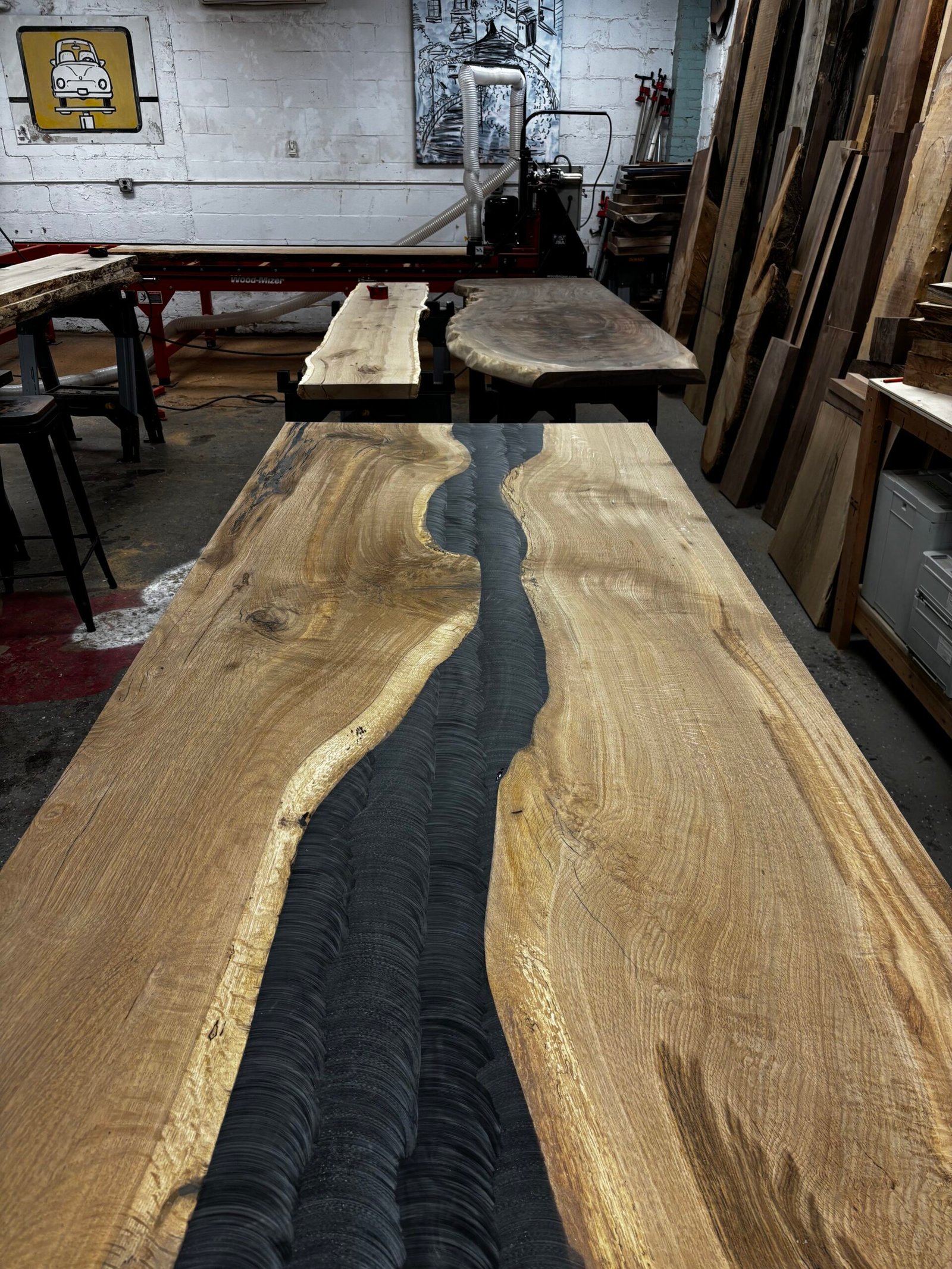
Not every slab comes out of drying perfectly flat: wood moves over time, and natural movement can produce cupping, twist, bowing, or uneven thickness that makes a slab difficult to work with and harder to turn into a finished piece. Our slab flattening service removes those inconsistencies and creates a more level, stable surface while preserving as much of the slab’s natural beauty, live edge character, grain, and figure as possible.
A flattened slab is often the foundation for a much larger project, and the range of applications is wide. Clients bring us slabs destined for dining tables, coffee tables, consoles, floating shelves, countertops, desks, vanities, bar tops, and custom conference tables, and some are woodworkers or builders who need a slab professionally prepared before fabrication begins on their own.
Live edge wood should still feel natural after flattening, and the figure, grain, knots, and movement in the slab are part of what make it worth building from in the first place. That is why our approach to wood slab flattening is always to create a functional, workable surface while protecting the qualities that give each piece its personality and story. At Cottage by the Sea in Asbury Park, we evaluate every slab individually before any work begins, because how much the wood has moved and where the material needs to be removed are decisions that require experience, not just equipment.
Slab flattening takes more than running wood through a machine. Every slab behaves differently, and every piece needs to be evaluated before work begins.
We begin by looking at the slab’s size, species, thickness, and overall condition. This helps us understand how much movement is present and how best to flatten it without removing more material than necessary.
Once the slab is assessed, we begin flattening the surface with careful, controlled passes. The goal is to remove high spots, reduce twist, and create a more even plane across the slab.
After the slab is flattened, we refine the surface and check for consistency. Depending on the project, we can prepare the slab so it is ready for sanding, finishing, joinery, or fabrication.
Once complete, the slab is ready for pickup, delivery, or the next stage of custom work. Some clients take it back to their own shop. Others have us continue with the full build.
Either way, the slab leaves flatter, more stable, and better prepared for whatever comes next.
Slab flattening is useful for more than one type of project.
Homeowners often need a slab prepared for a dining table, kitchen feature, floating shelf, or custom countertop. Woodworkers and furniture makers bring in slabs that are too large or too difficult to flatten accurately on their own equipment. Businesses may need large slabs prepared for conference tables, bar tops, reception desks, or commercial installations.
No matter the project, the purpose stays the same. Start with a flatter, more stable slab so the finished piece performs better and looks more refined.
That foundation matters. Good custom work begins long before the final finish goes on.
Every slab presents its own challenges. Some need only minor corrections. Others require more involved flattening to remove twist, cup, or uneven thickness.
Take a look at recent slab flattening work to see how rough wood can be transformed into a more usable surface for tables, countertops, shelving, and custom furniture projects throughout Monmouth County and beyond.
Each one begins with the same question: how do we respect the wood while making it work better?
If the slab rocks, shows visible twist, has uneven thickness, or is difficult to install or build from, it likely needs flattening. Even small inconsistencies can create bigger problems later in the project.
Yes. We flatten large slabs for tables, counters, desks, and other custom projects. Oversized slabs often require specialized handling and careful setup to get the best result.
No. The goal is to flatten the usable surface while preserving the slab’s natural edge and character as much as possible.
Absolutely. Some clients hire us only for slab flattening, while others have us handle the full project afterward.
If you have a slab that is rough, uneven, or difficult to work with, the next step is simple.
Reach out and tell us about the piece. Whether you are preparing for a custom furniture project, a countertop install, or a one-of-a-kind build, we can help get the slab flat and ready for what comes next.